Trump’s Israel-Iran Ceasefire: Market Ripples and Diplomatic Stakes
President Donald Trump’s announcement of an Israel-Iran ceasefire on June 24, 2025, marked a pivotal moment that sent immediate shockwaves through global financial markets and reshaped Middle Eastern diplomatic dynamics. The agreement, brokered through Qatar’s mediation following twelve days of escalating hostilities, demonstrated both the volatility of geopolitical risk pricing and the enduring influence of diplomatic intervention on market sentiment. Within hours of the announcement, oil prices plummeted by over 11 percent while equity markets rallied globally, illustrating the rapid unwinding of conflict-driven risk premiums that had built up during the crisis.

The Crisis Timeline and Strategic Escalation
The conflict’s origins trace to June 12, 2025, when Israel initiated strikes against Iranian nuclear facilities to prevent weapons development. Market tensions escalated dramatically on June 22 when U.S. B-2 bombers targeted three Iranian nuclear sites, pushing WTI crude oil to $76.66 per barrel as investors priced in supply disruption risks. Iran’s retaliation came on June 23 with a missile strike on the U.S. Al Udeid Air Base in Qatar, though the attack resulted in no casualties and was characterized by Trump as “very weak,” suggesting Iran’s intent to avoid significant escalation.
The strategic calculus behind Israel’s initial strikes reflected what experts described as a “golden opportunity to seize Iranian weakness” following the collapse of Iran’s proxy network and Israel’s previous operational successes. Intelligence reports indicating Iran had resumed weapons group activity and was advancing dangerously in its enrichment program provided the operational justification for the coordinated U.S.-Israeli campaign.
The Ceasefire Breakthrough and Mediation Architecture
Trump’s ceasefire announcement emerged from intensive behind-the-scenes diplomacy involving multiple channels and key regional actors. Qatar played the crucial mediating role, with Emir Tamim bin Hamad Al Thani receiving a direct request from Trump to persuade Iran to accept the ceasefire terms. The diplomatic architecture involved Vice President J.D. Vance, Secretary of State Marco Rubio, and special envoy Steve Witkoff conducting both direct and indirect communications with Iranian representatives.
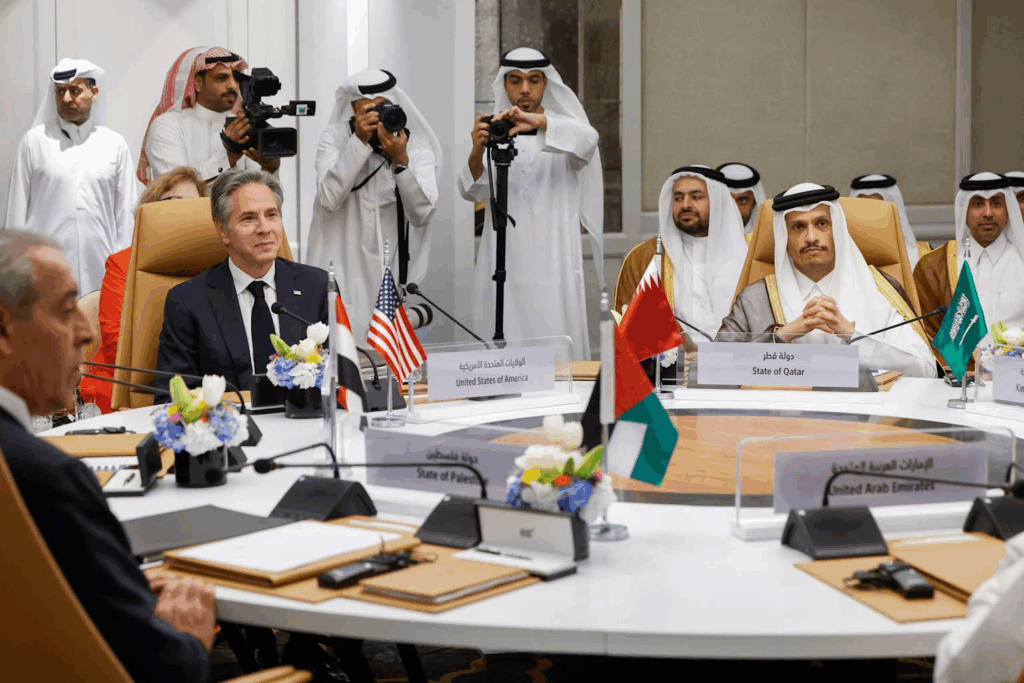
The ceasefire structure implemented a phased approach: Iran would halt strikes against Israel from midnight Eastern Time, Israel would cease operations twelve hours later at noon ET, and the conflict would officially end at midnight ET on June 25. This timeline reflected careful diplomatic choreography designed to allow both sides to claim tactical victories while providing face-saving mechanisms for de-escalation.
Immediate Market Reactions and Risk Premium Collapse
Financial markets responded with dramatic speed to the ceasefire announcement, demonstrating the significant geopolitical risk premium that had accumulated during the crisis. WTI crude oil prices collapsed from $75.33 to $66.83 per barrel on June 24, representing an 11.3 percent single-day decline and a total 12.8 percent drop from pre-conflict levels.
Equity markets experienced an inverse reaction, with the S&P 500 ETF gaining $9.81 to close at $604.14, a 1.7 percent increase that brought the index within 1 percent of its February all-time high. The relief rally extended globally, with Hong Kong markets surging 2.1 percent and South Korean indices gaining 3 percent.
Bond markets reflected the shift in risk sentiment as the 10-year Treasury yield fell below 4.30 percent for the first time in over a month, indicating reduced inflation expectations and increased Federal Reserve rate cut probability. Analysts attributed this movement to falling energy costs reducing inflationary pressures and providing the central bank greater monetary policy flexibility.
Sector-by-Sector Performance Analysis
The market reaction revealed distinct sectoral patterns reflecting changed conflict expectations and operational impacts. Defense stocks experienced significant declines, with the Nifty India Defence index falling 2.2 percent after gaining over 4 percent during the crisis period. Individual defense companies saw sharper drops, with BEML and Garden Reach Shipbuilders declining up to 7 percent as investors reduced expectations for increased military spending.
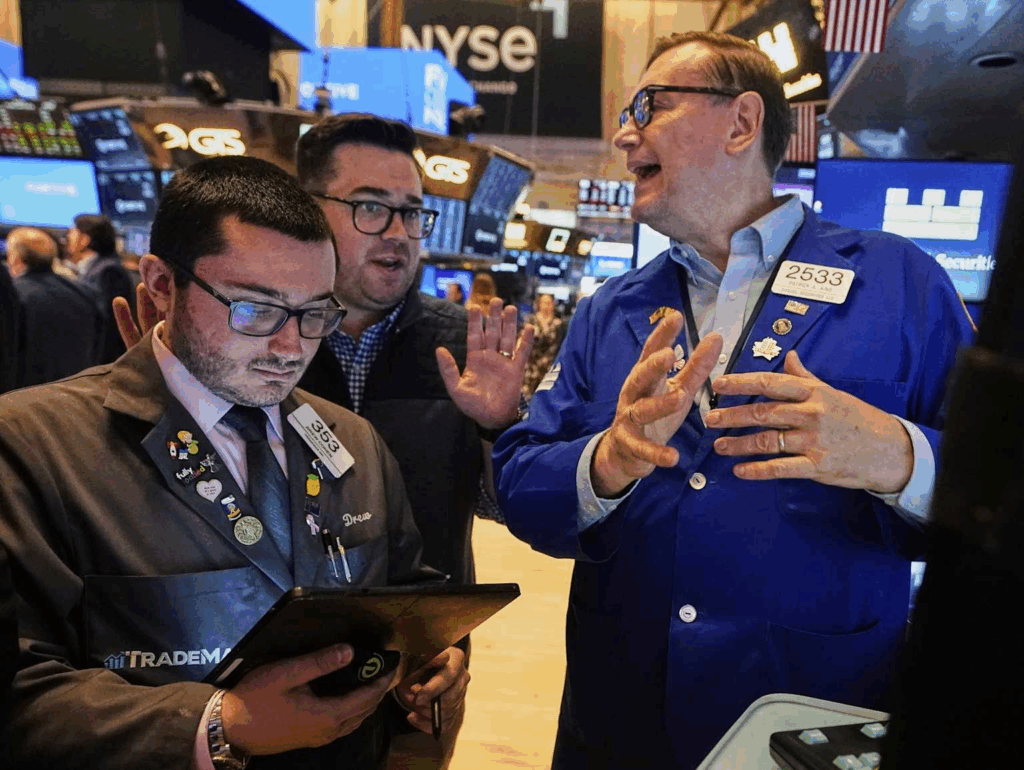
Airlines emerged as primary beneficiaries, with major carriers posting gains of 4-6 percent as Middle Eastern flight routes reopened. Air France KLM, British Airways parent company, and Lufthansa gained between 6-10 percent, while U.S. legacy carriers United Airlines, Delta Air Lines, and American Airlines each rose approximately 4 percent. Energy companies faced selling pressure as the geopolitical risk premium unwound, though the impact varied based on regional exposure and operational profiles.
Global Market Reverberations and Currency Effects
European markets demonstrated strong positive responses, with major indices gaining 1-2 percent as regional stability expectations improved. The German DAX and French CAC 40 both posted significant advances, reflecting reduced concerns about energy supply disruptions and broader economic impacts. Asian markets showed similar patterns, with the Hang Seng closing more than 2 percent higher and regional indices broadly advancing.
Currency markets reflected the shift from risk-off to risk-on sentiment, with safe-haven assets experiencing reduced demand. The movement toward riskier assets and away from traditional hedges demonstrated market confidence in the ceasefire’s durability, though analysts noted the inherent fragility of Middle Eastern peace agreements.
Diplomatic Architecture and Regional Power Dynamics
The ceasefire’s diplomatic structure revealed significant shifts in Middle Eastern power dynamics and U.S. alliance relationships. Qatar’s central mediating role underscored the Gulf state’s growing influence in regional crisis management and its strategic value as a U.S. partner capable of maintaining communication channels with both Washington and Tehran.
Trump’s public frustration with both Israeli and Iranian actions during the ceasefire’s early hours demonstrated his willingness to pressure traditional allies when strategic objectives required it. His demand that Netanyahu recall Israeli aircraft and his direct communication with the Israeli Prime Minister illustrated the administration’s hands-on approach to crisis management.
The agreement’s broader implications extend to ongoing U.S.-Iran negotiations over nuclear issues, which have proceeded through multiple rounds since April 2025. The successful ceasefire may provide momentum for these broader diplomatic efforts, though significant disagreements over uranium enrichment and sanctions relief remain unresolved.
Strategic Implications for Regional Stability
The ceasefire’s success carries significant implications for Middle Eastern security architecture and U.S. foreign policy approach. Trump’s demonstration that military action against Iranian nuclear facilities could be conducted without triggering broader regional war may reshape strategic calculations for both allies and adversaries. The operation’s success in degrading Iranian nuclear capabilities while avoiding escalation represents what administration officials describe as a generational achievement in Middle East policy.
Regional allies, particularly Gulf states, have gained enhanced influence through their mediating capabilities and strategic partnerships with Washington. The Saudi-Qatar-UAE triangle has emerged as increasingly central to U.S. Middle East strategy, with these relationships potentially superseding traditional Israeli centrality in American regional planning.
Iran’s position has been significantly weakened through the destruction of nuclear facilities and the demonstration of its inability to effectively retaliate against superior military force. However, the regime’s survival and continued enrichment capabilities ensure that fundamental strategic challenges remain unresolved.
Conclusion and Forward-Looking Assessment
Trump’s successful brokering of the Israel-Iran ceasefire represents a significant diplomatic achievement that immediately reshaped both market dynamics and regional strategic calculations. The dramatic market response, with oil prices declining 12.8 percent and equity markets rallying globally, demonstrated the substantial geopolitical risk premium that had accumulated during the crisis and the speed with which diplomatic success can restore investor confidence.
The agreement’s diplomatic architecture, centered on Qatar’s mediation and involving direct U.S.-Iranian communication channels, establishes precedents for future crisis management in the region. The successful coordination between military action and diplomatic resolution may serve as a template for addressing other regional challenges, though the Middle East’s history of fragile ceasefires counsels caution about long-term stability.
For financial markets, the ceasefire’s impact extends beyond immediate price movements to fundamental recalculations of risk premiums and investment flows. The rapid unwinding of energy sector premiums and rotation toward growth assets reflects market confidence in reduced volatility, though geopolitical risks remain elevated given unresolved underlying tensions. The success of Trump’s approach may influence investor expectations about future U.S. crisis management capabilities and willingness to engage diplomatically rather than militarily in regional conflicts.